
Clove is an application concept designed under the guidance of mentors and in collaboration with UX Designers from BRIDGEGOOD, and presented at Wells Fargo over seven weeks.
Clove is designed to address the transportation gap in food insecurity by providing accessible, affordable, and reliable methods to find meals and groceries.
How would it work?
Users can find items from food banks, soup kitchens, or restaurants with surplus items. They have the option to pick up these items themselves for free or get scheduled delivery for $5, with free delivery fees waived on Mondays.
FBCCS reported serving 170,000 people five years ago
Today, their numbers are up to 500,000
Research points to transportation and financial distress as major obstacles preventing people from finding the food they need
So how do we get affordable food to people who can’t get to the food?
Enter Scheduled Delivery System:
Eliminates around the clock delivery drivers
Order cutoff times = More time to fill requests
More prep time = More efficient travel routes
Why waive delivery fees?
Affordability was something we were not willing to compromise on. By providing a day where fees are covered, we can guarantee that people who need this service the most have access to it.
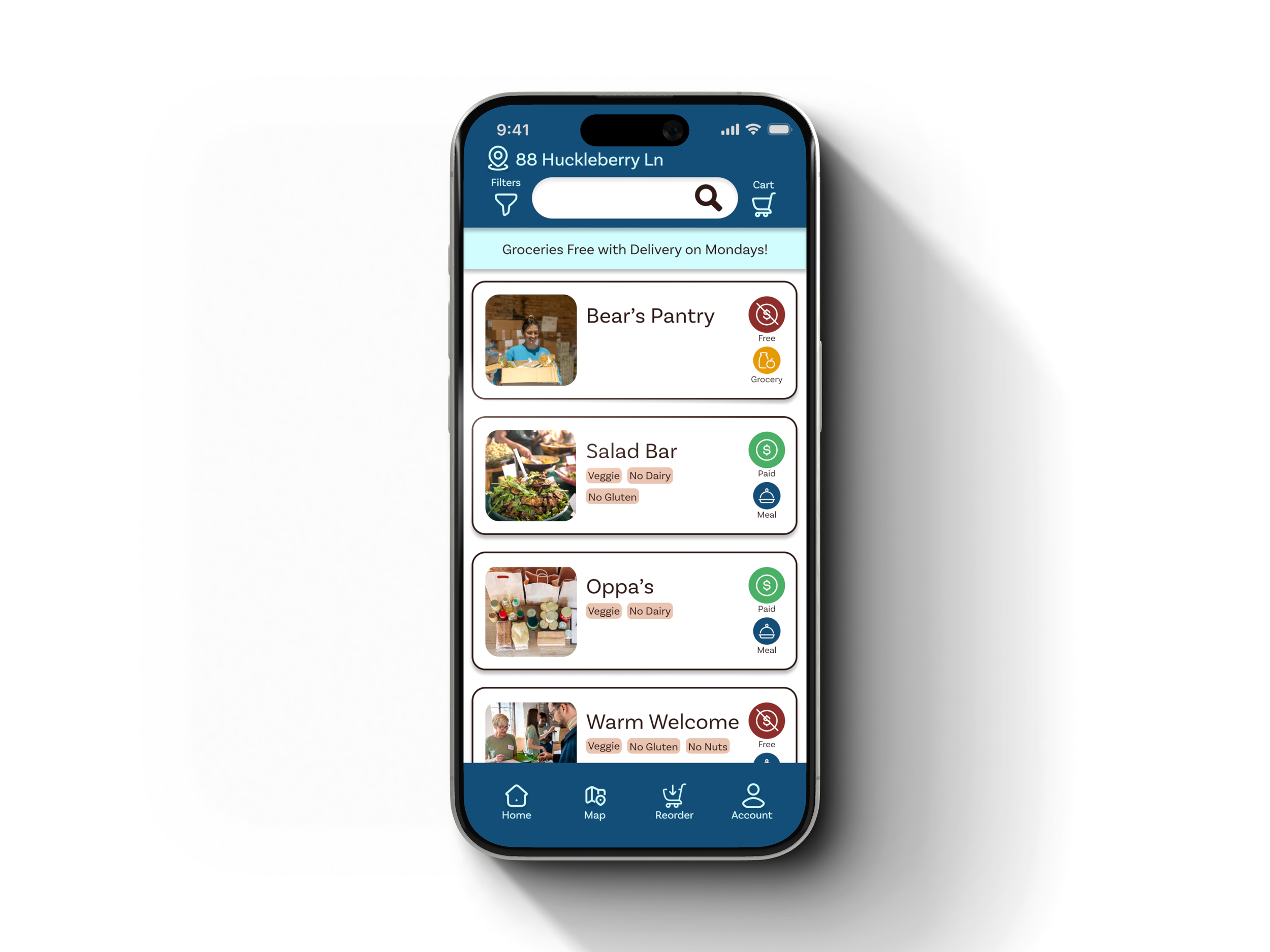
Tags make options for those with dietary restrictions easily identifiable
Map and Reorder options make most used/important instantly accessible
Right hand Icons allows for options to be skimmed through
High contrast color palette ensures readability and clarity
Meet Open Hand
-
Chloe Limargo
PROJECT LEAD
-
Dyhara Gongora
RESEARCH LEAD
-
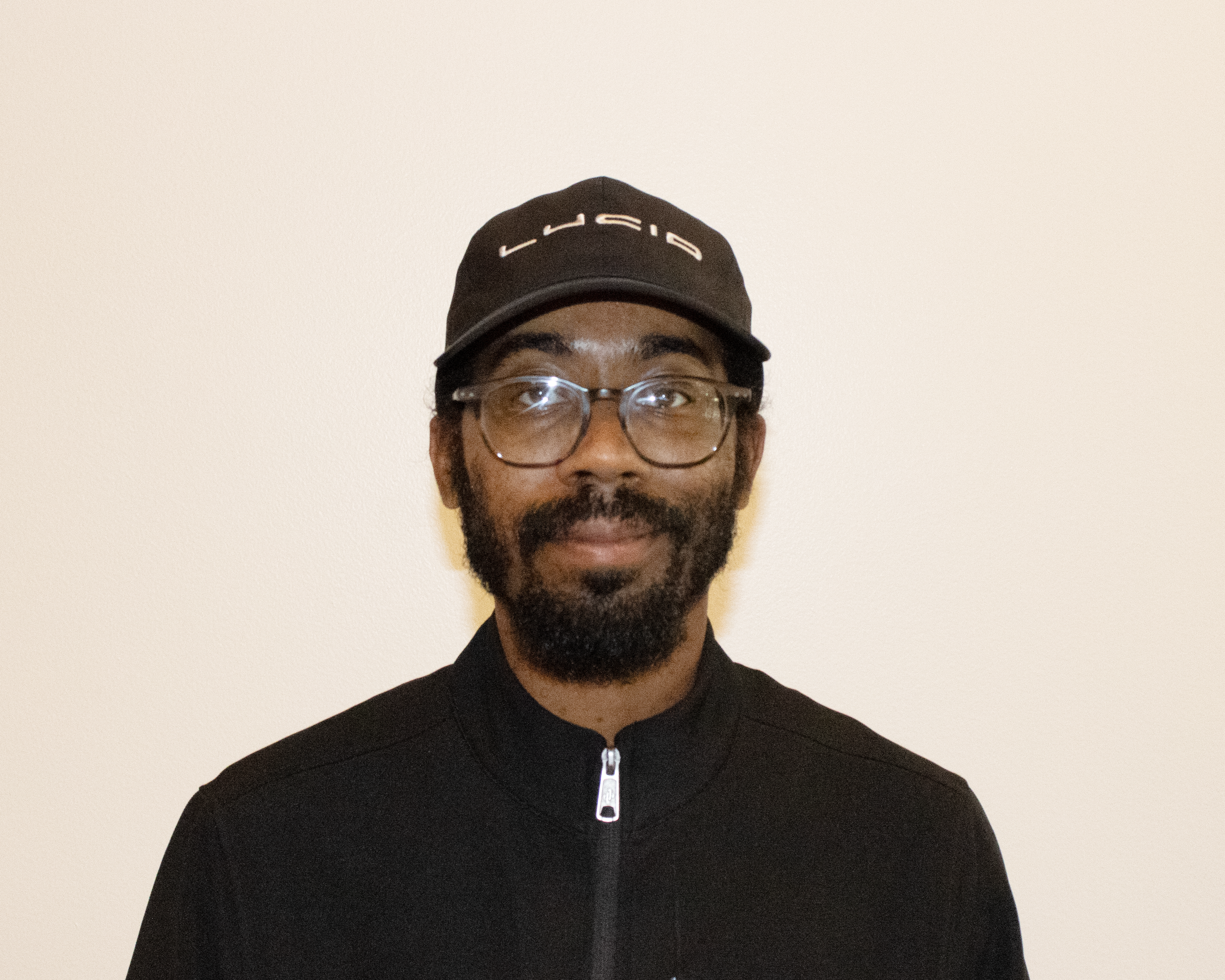
Herman Billingsley Jr
UI DESIGNER
-
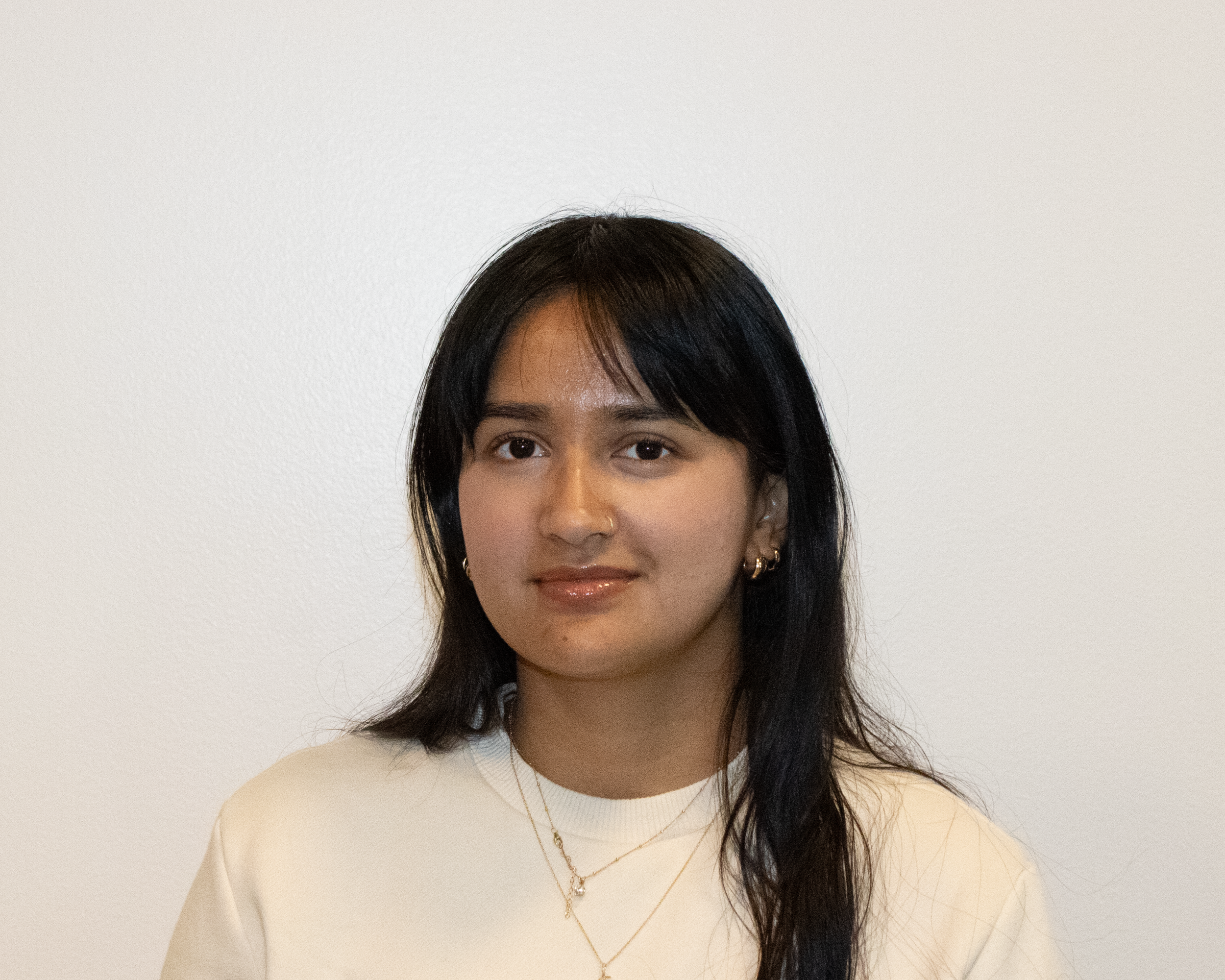
Maryam Khawar
BRAND DESIGNER
In Retrospect
Projects about food and nutrition have always been very gratifying and important to me, so being able to share my passion and lead a team in this topic, I felt confident; perhaps overly so.
I tend to push myself into leader roles because I absolutely despise delivering something that could be considered subpar. Maybe it’s pride or my own refusal to let myself down. Not only that, I was the only one in the group who had done a sprint before and I had been learning and working alongside my team in the BRIDGEGOOD UX Design Apprenticeship program for the last month. Surely we’d have smooth sailing? Wrong. Let this be a lesson, never get complacent.
Which then begs; where would I have done things differently?
-
I severely underestimated just how unwilling people are to talk to you when there’s nothing in it for them. We initially reached out to 22 different organizations.
A week passed with no replies. Then two.
We got nervous and began checking news articles, gathering secondary research, considered putting out surveys and physically went to local events to connect with organizations.
By week three, we had pivoted to reaching out to specific individuals vs. waiting for an official meeting with organizations, which gave us more luck. I should have been reaching out to individuals to get us an “in” with organizations first, and in hindsight did things backwards which only stonewalled us and our progress. -
Several times, items that I’d given a hard deadline on were not what I had asked/outlined. Then they got delayed; things would be partially completed when we needed them. I’d ask where support was needed, be told there wasn’t need for any. Only later for the whole team to then be dropping everything to provide support on delayed items; leading to it being reassigned so it’d get done. It was a cycle.
I knew my team was capable; how were we falling short?
This is where I really appreciated having Herman, he always made it clear when he was lost, if what I was laying out wasn’t making sense, or if it was something that he just couldn’t do.
That type of foresight to understand what it takes to bring the vision to life, who is best equipped to do it, and can follow through is something I wish I had enforced and looked out for. -
I didn’t really stress how important having a final product was. I figured having to present at Wells Fargo was enough pressure, but in hindsight I really should have stressed more to make sure we were putting together something we were proud of and could convey what we were looking to accomplish.
When we actually came around to building prototypes, there was always the thought of “This isn’t going to be our final product, it’s ok if it’s not what I wanted” in the back of our heads, and unfortunately, it shows, leading our changes to be entirely guided by gut feeling and random suggestions from testers.
The best way I have heard the concept of what I would have wanted to implement is a “vertical slice.” To look at what’s been completed and Identify what fits into the vision and what’s currently hindering it as if it is a finished product instead of a progress report. It turns the prototype into the manifestation of the project, and the challenge to the goal.
Thank you
-
Juliana Adhikari
PRIMARY COACH/MENTOR
-
Shaun Tai
QUALITY ASSURANCE/EDITOR